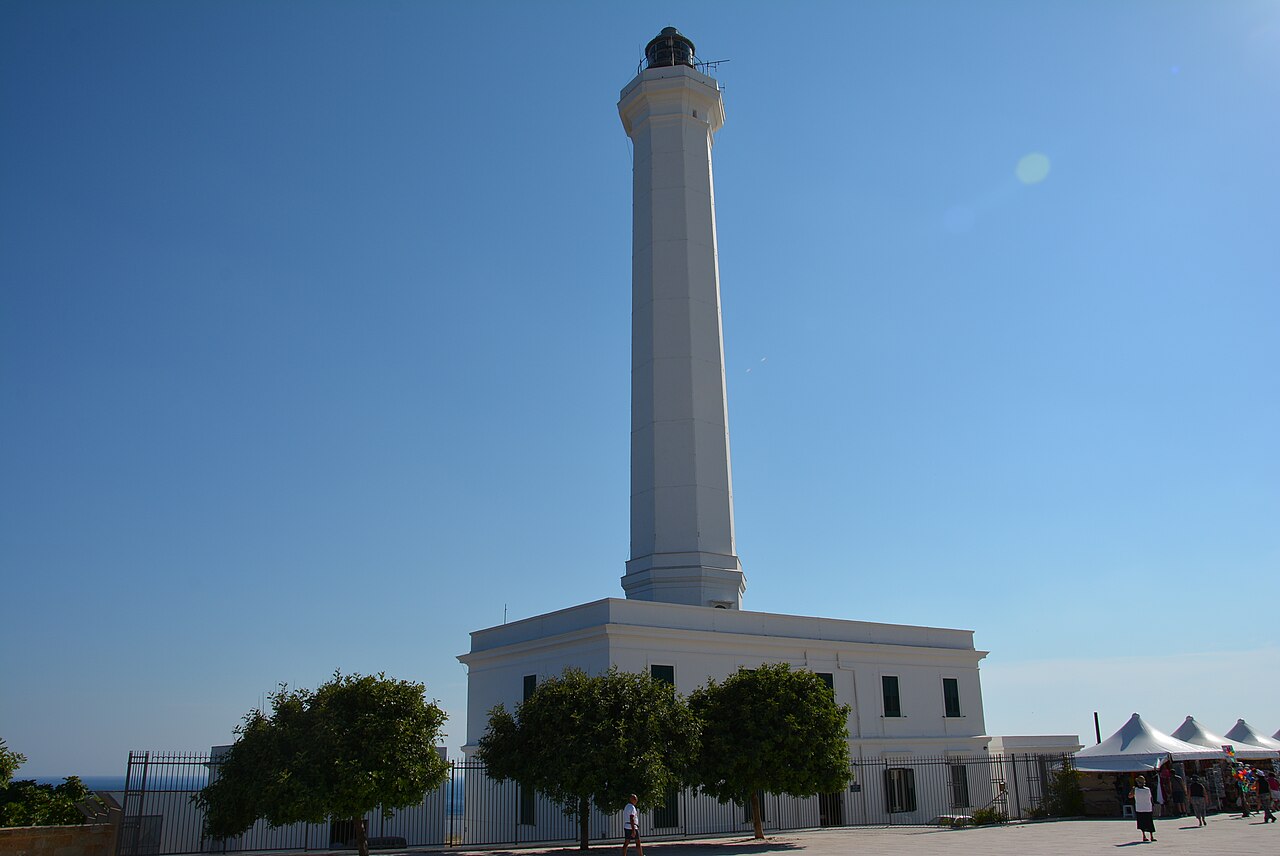
Nobody officially recommends walking the Cammino del Salento in winter. The season everyone publishes runs March to June and September to November, and there are good reasons for that. But the trail does not close, the sanctuary at Leuca is still there at the end of it, and a winter crossing is a completely different walk from the spring one — emptier, harder to organise, and in its own way better. Here is what you are actually signing up for.
The honest weather
Salento does not get properly cold — snow is a story people tell about the one year it happened. What it gets is wind and rain, arriving together. The tramontana comes down the Adriatic side hard enough to make the exposed cliff sections between Otranto and Castro unpleasant rather than dangerous, and a wet limestone path is a slippery one. Days when it is dry, though, are extraordinary: fifteen degrees, no haze, and visibility down the coast that you never get in August.
Nine hours of light
This is the constraint that actually shapes the walk. In late December you get around nine and a half hours between sunrise and sunset. A 22 km coastal stage that is a relaxed day in May becomes a march with no margin in January, and finishing a cliff path in the dark is not something to plan for. The fix is to stop thinking in standard stages: split the long ones, accept five or six days becoming seven or eight, and start every morning at first light rather than after a second coffee.
What is shut
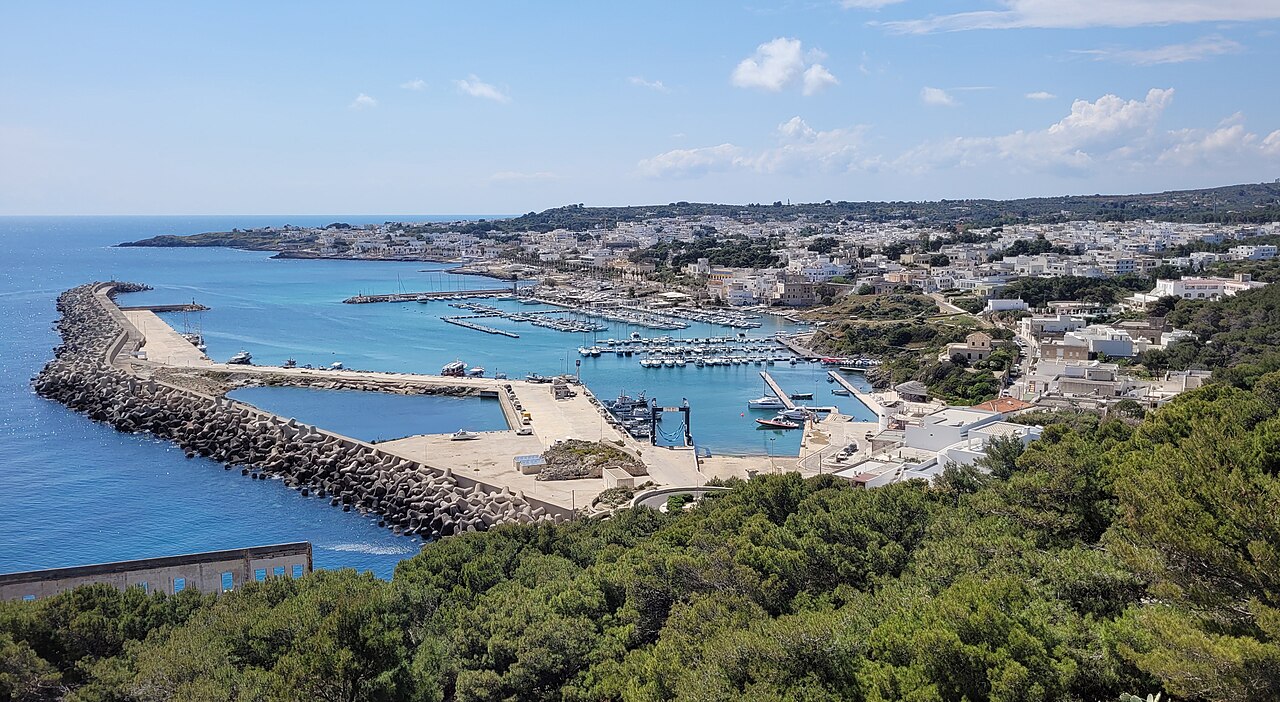
A great deal. The marinas along the coast are seasonal towns: Marina Serra, Tricase Porto, Santa Cesarea and the rest empty out around October and much of what serves walkers — bars, lidos, small guesthouses — simply closes until Easter. Do not plan a winter walk on the assumption that you will find lunch. Carry it. And book every night before you leave rather than trusting to the passport discounts, because the places offering them may not be open. The inland Via dei Borghi is closed for 2026 in any case, so the Via del Mare is the route.
What you get in exchange
An empty trail. In January you can walk a whole stage and pass nobody, which on a coast this beautiful is close to unrepeatable. The Adriatic under a winter storm, seen from the cliffs above Castro, is worth the trip on its own. The groves are quiet after the harvest, the light is low all day, and the villages are doing normal winter things rather than performing for visitors. Beds are cheap and people have time to talk to you. The Cammino was a pilgrim route long before it was a holiday, and it feels most like one now.
The case for one base instead of six
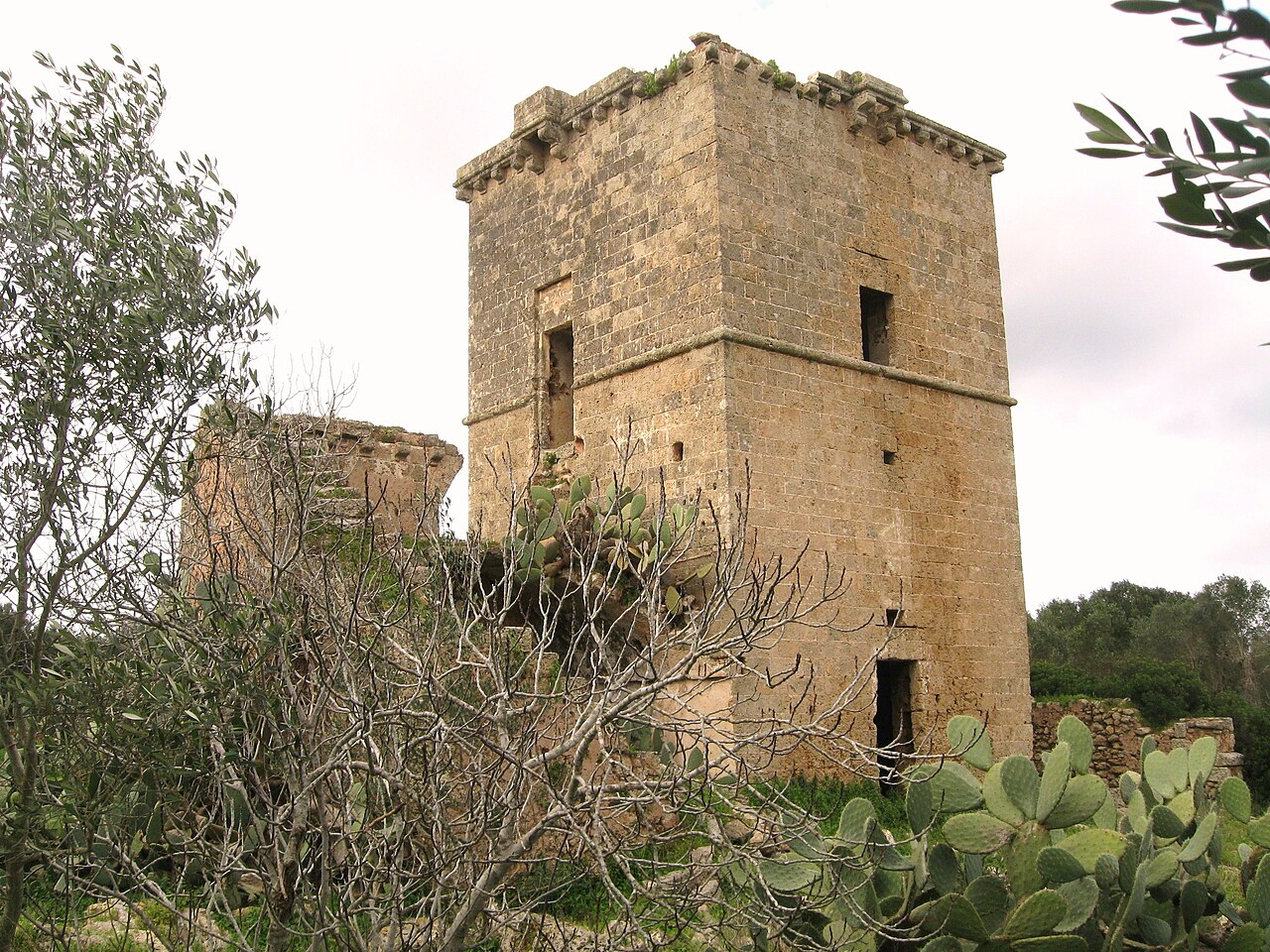
In summer the pleasure of a cammino is carrying everything and sleeping somewhere new each night. In winter that logic breaks down: half the beds are shut, the days are short, and arriving soaked at an unfamiliar door with three hours of light left is nobody's idea of a pilgrimage. The alternative is to fix one warm house for the southern half of the route and be driven out to the trailhead each morning and collected at the end of the day. You still walk every metre of it. You just stop carrying the logistics.
Book Your Stay in Salento
Ready to experience Salento for yourself? Our restored properties in Depressa are the perfect base for exploring everything in this guide.