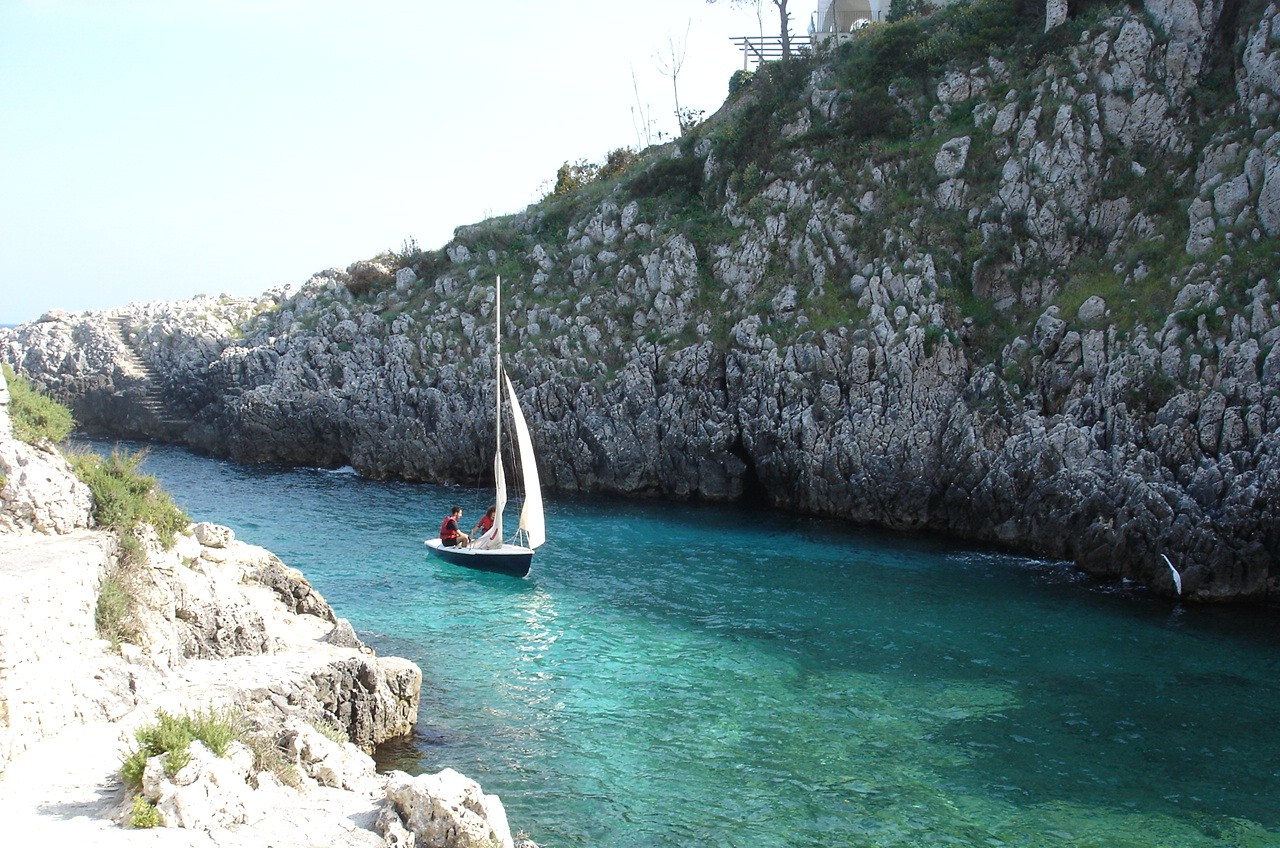
The Cammino del Salento runs from Lecce to the sanctuary of Santa Maria de Finibus Terrae at Santa Maria di Leuca, the point where Italy stops. There are two ways to walk it: the Via del Mare, about 115 km along the coast, and the Via dei Borghi, about 135 km through the inland villages first. Both meet at Otranto and finish together. If you only walk it once, walk it in spring — and if you are choosing weeks, choose the second half of April or the first half of May.
Why spring is the right season
Salento has no mountains, so nothing about this walk is technical. What makes it hard is the sun. From late June the light is relentless, there is very little shade on the coastal stretches, and a 20 km stage becomes an exercise in water management rather than a walk. In April and May the temperature sits where you want it for walking all day, the mornings are cool enough to start early without suffering, and the macchia is still green rather than burnt. The official season runs March to June and then again September to November; spring is the half that comes with wildflowers.
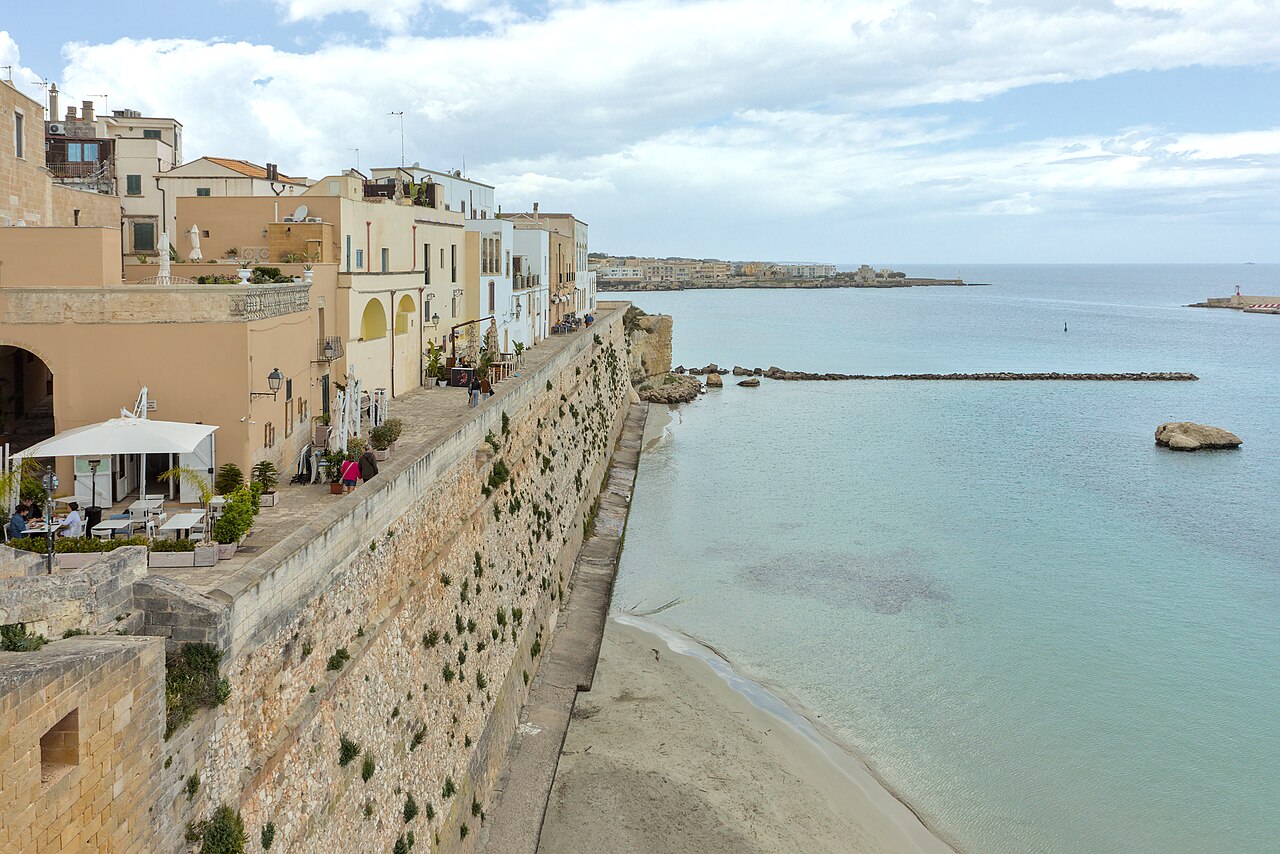
One route is closed this year
Plan around this before you book anything: for 2026 the Via dei Borghi is closed while the trail is being improved, and only the Via del Mare is open. That is not a small detail — the Via dei Borghi is the culturally richer half, the one that takes you through the Greek-speaking villages of the Grecìa Salentina before it reaches the sea. If that was the reason you were coming, it is worth waiting for the relaunch. If you came for the coast, nothing changes: the Via del Mare has always been the route that puts you on the Adriatic on day one.
The passport, and why you want one
The Passaporto del Pellegrino costs €15 and you can buy it through the Cammino's own site or pick it up in Lecce before you start. It is the credential you get stamped at each stage, and it is what identifies you as a viandante rather than a tourist with a rucksack — several places along the route give holders a discount. At the end, at Leuca, you exchange it for the Testimonium, which costs €3. Buy it even if you are walking independently and organising your own beds. It costs less than a dinner and it is the thing you will keep.
What the spring trail is actually like
Underfoot it changes constantly: beach sand, pine forest, farm track, cliff path, and stretches of asphalt you cannot avoid. The wind off the Adriatic is a bigger factor than the gradient, and in April it can still be cold on an exposed headland at eight in the morning even when the afternoon is warm. The sea is beautiful and, in April, too cold for most people; by mid-May it is swimmable if you are not fussy. Bring layers you can shed, sun cream you will actually use before you feel like you need it, and more water than looks sensible.
The stage that passes our door
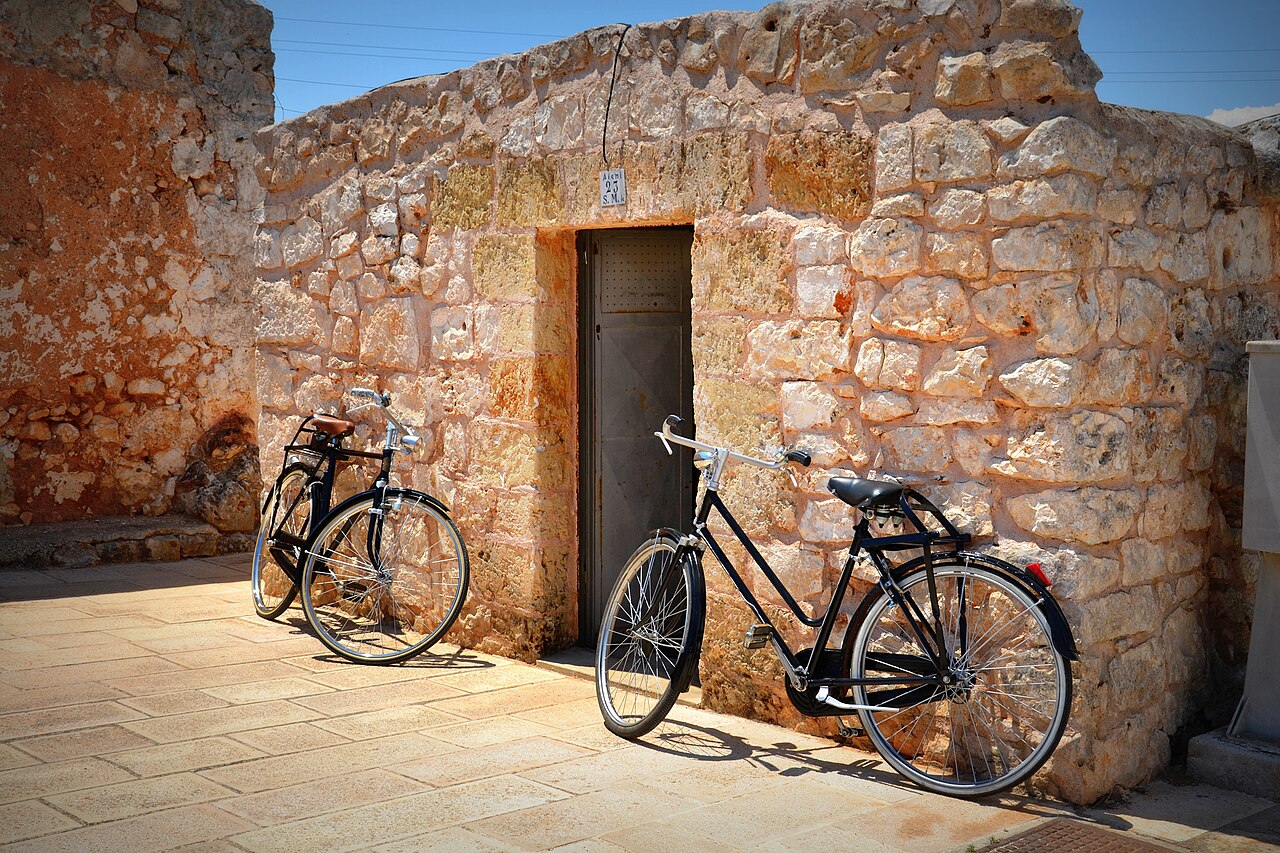
The penultimate day brings you down the coast from Castro Marina, past the cove at Cala dell'Acquaviva, along the cliffs at Punta Correnti, then inland past Torre del Sasso and the seven pajare — the round drystone huts the farmers built to sleep in — before dropping to Tricase Porto. Marina Serra, with its famous natural pool cut into the rock, is another three kilometres on, and that is where the stage ends. Depressa, where both our houses are, is a frazione of Tricase sitting just inland of all of it. You finish the day within a few kilometres of a bed.
Book Your Stay in Salento
Ready to experience Salento for yourself? Our restored properties in Depressa are the perfect base for exploring everything in this guide.